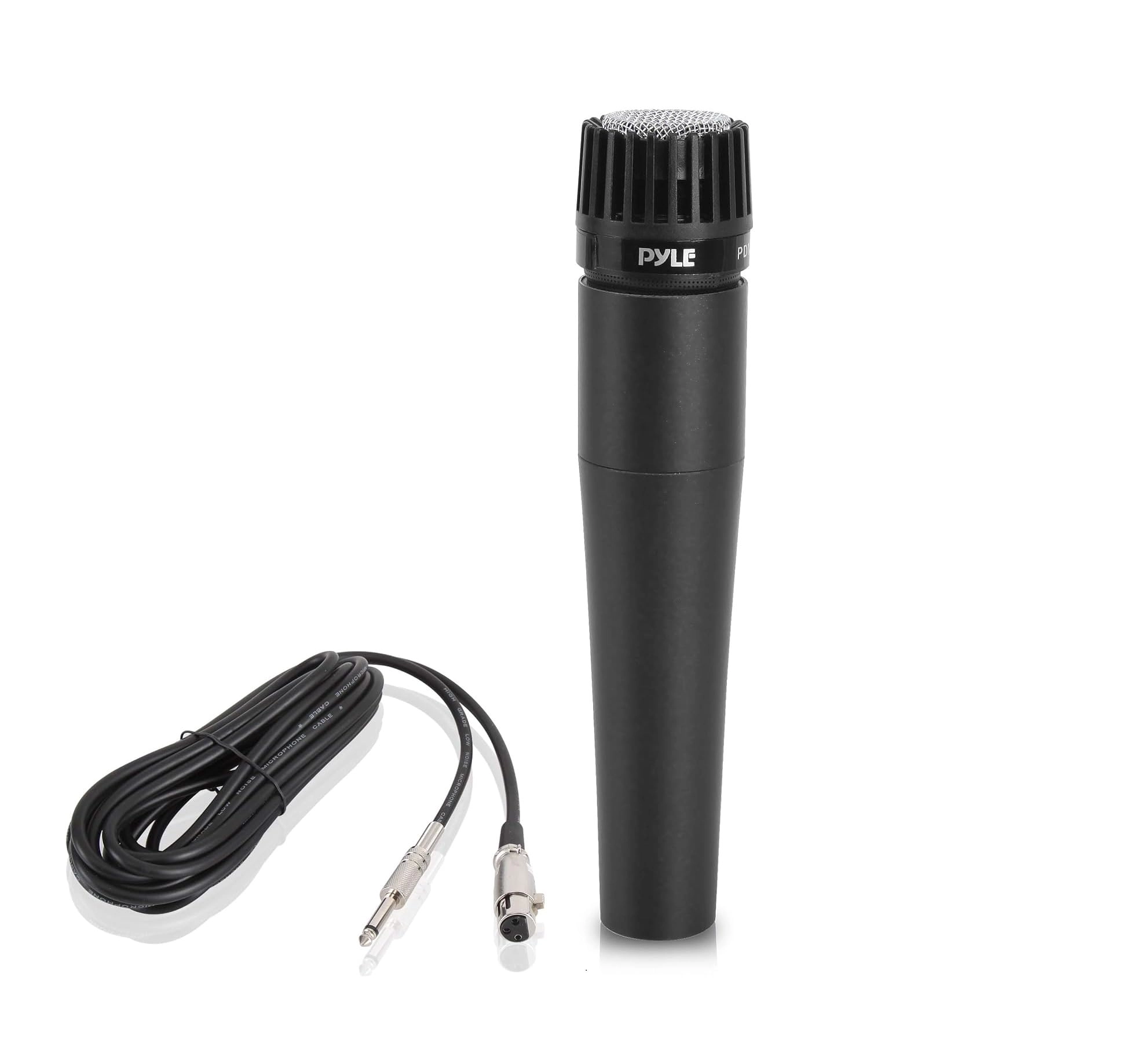
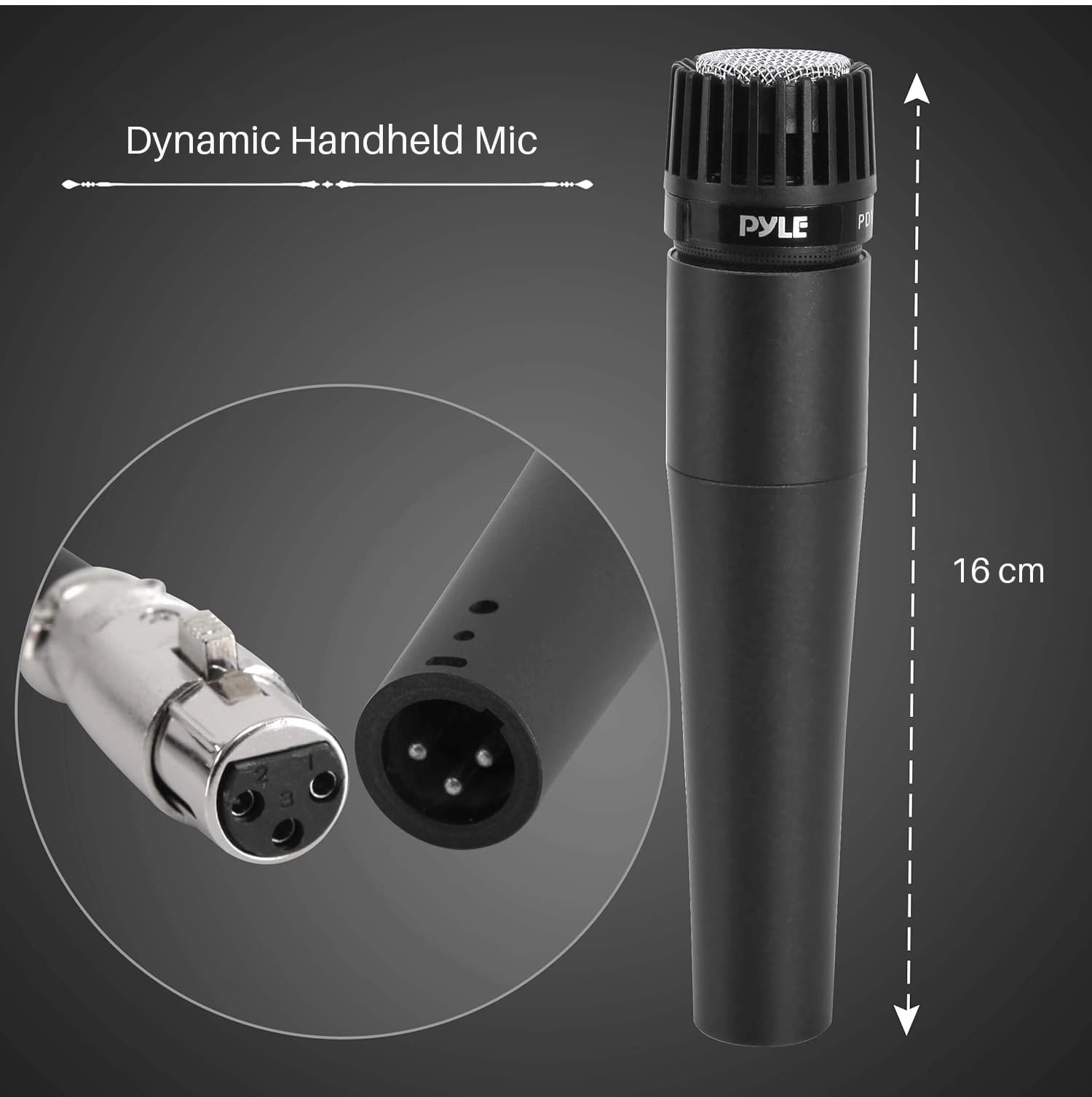
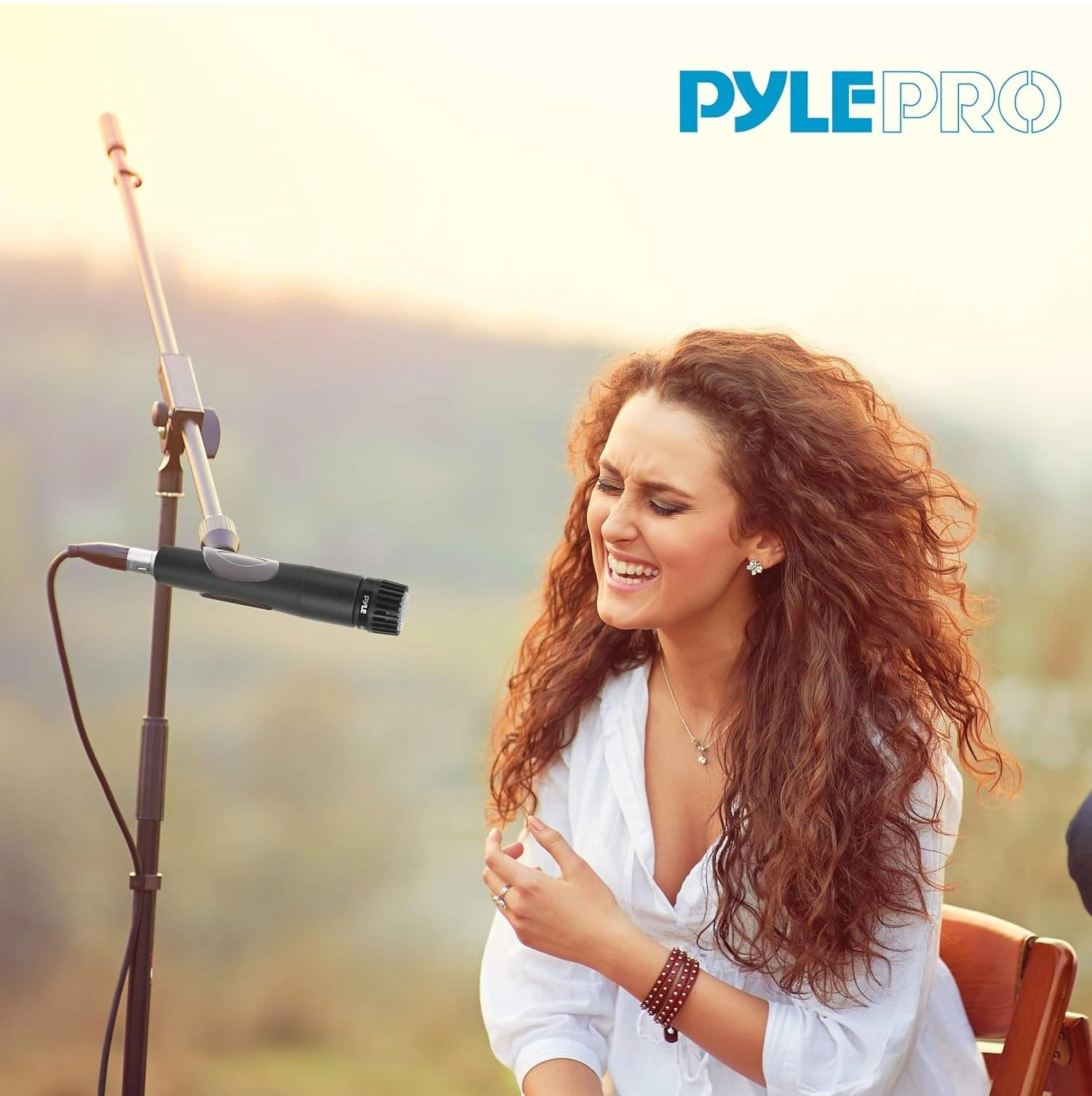
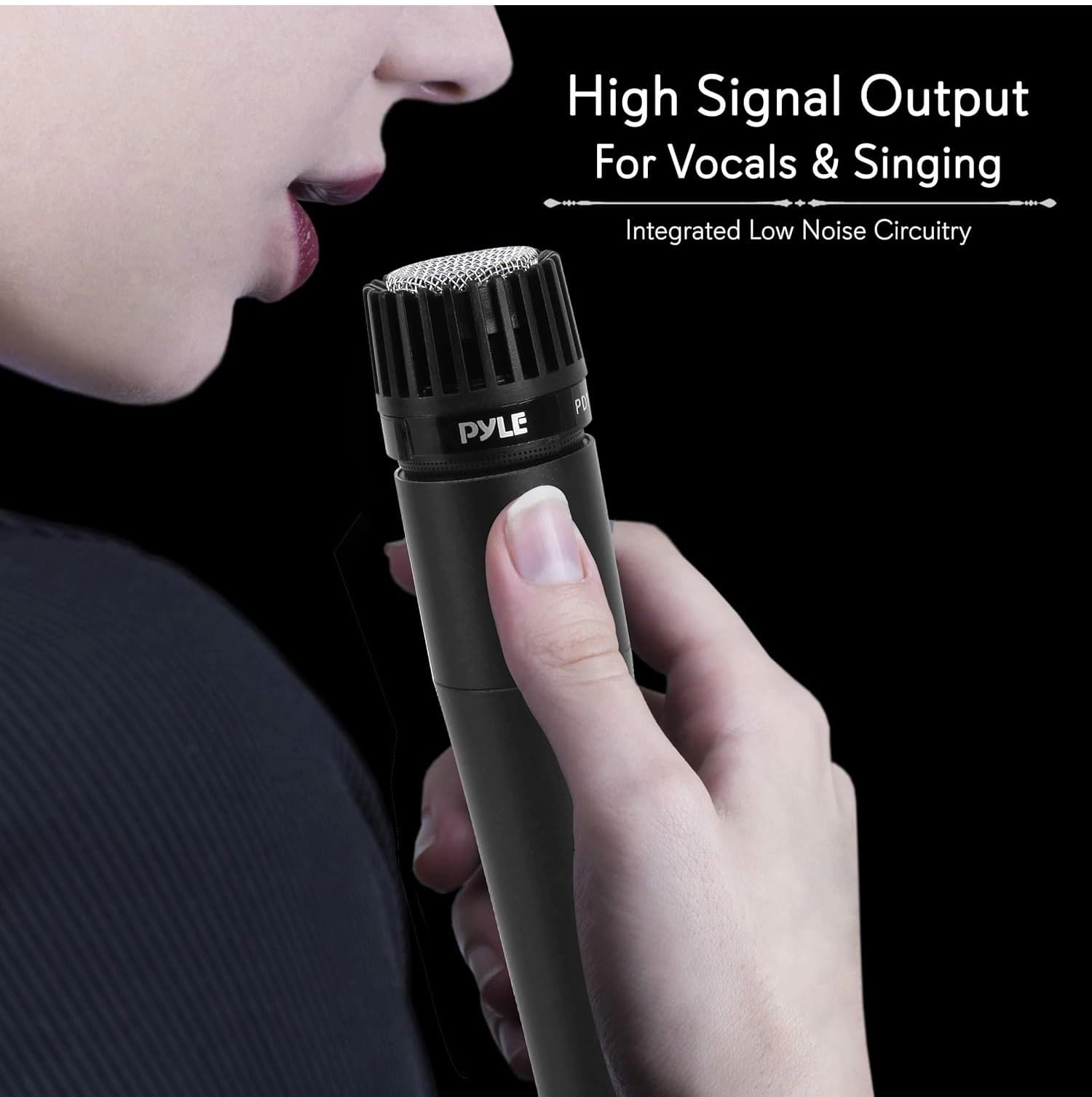
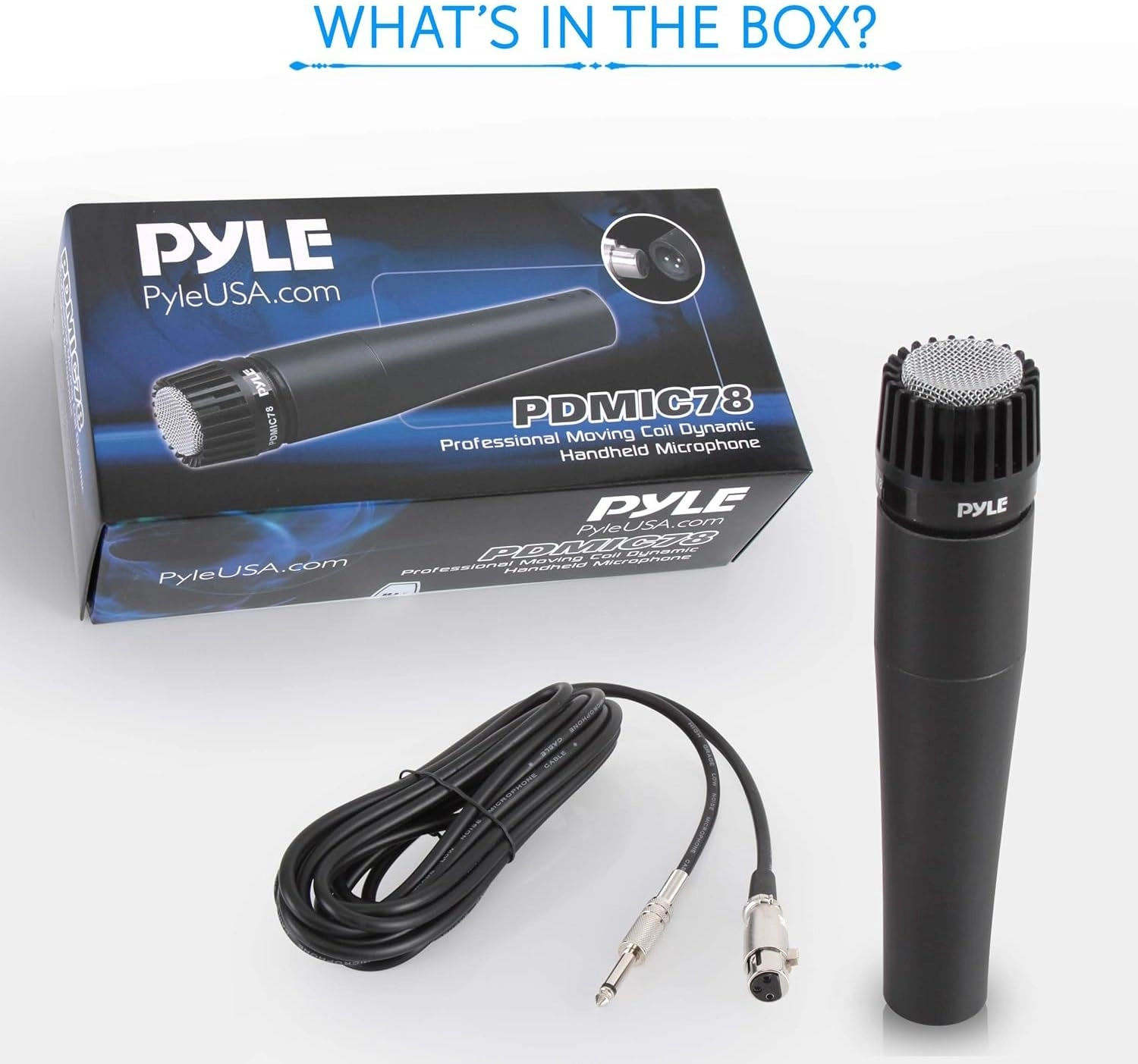
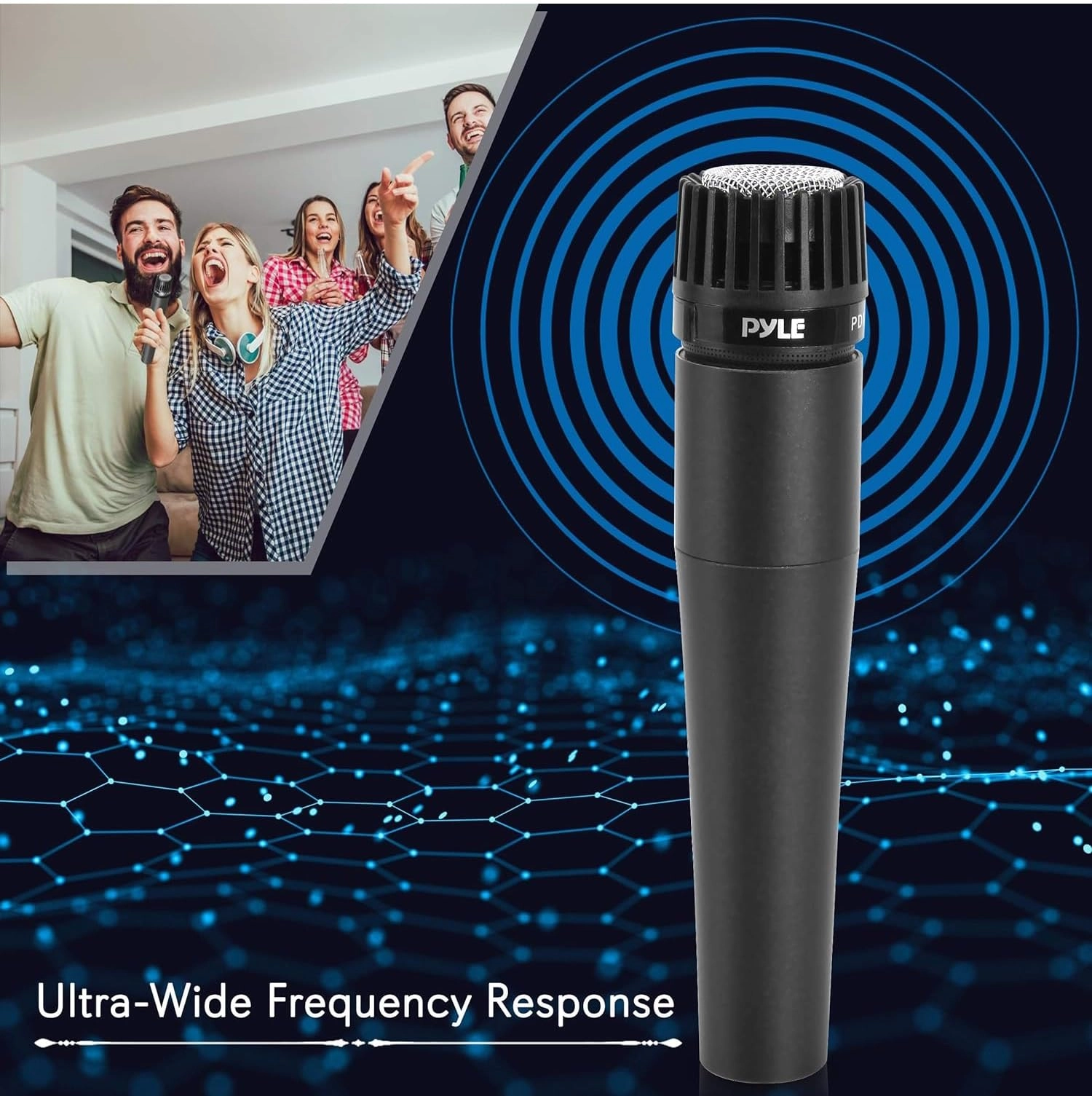
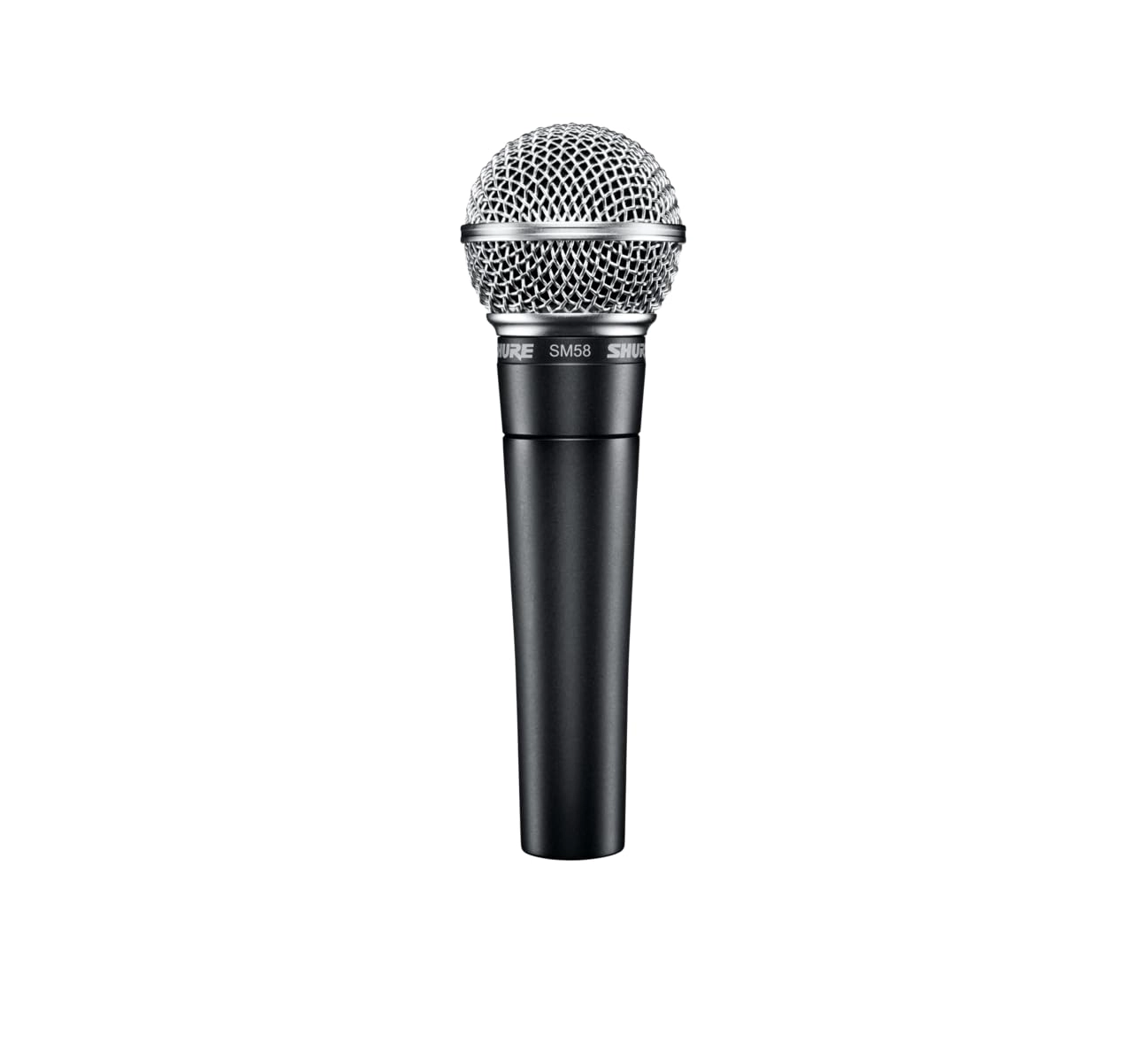
Unidirectional cardioid microphone with dynamic design delivers
optimal clarity and punch, minimizing background noise for live
and studio performances.
Review: Fantastic Value for Money - A very good microphone for
the price. From a sound quality point of view, I would say the
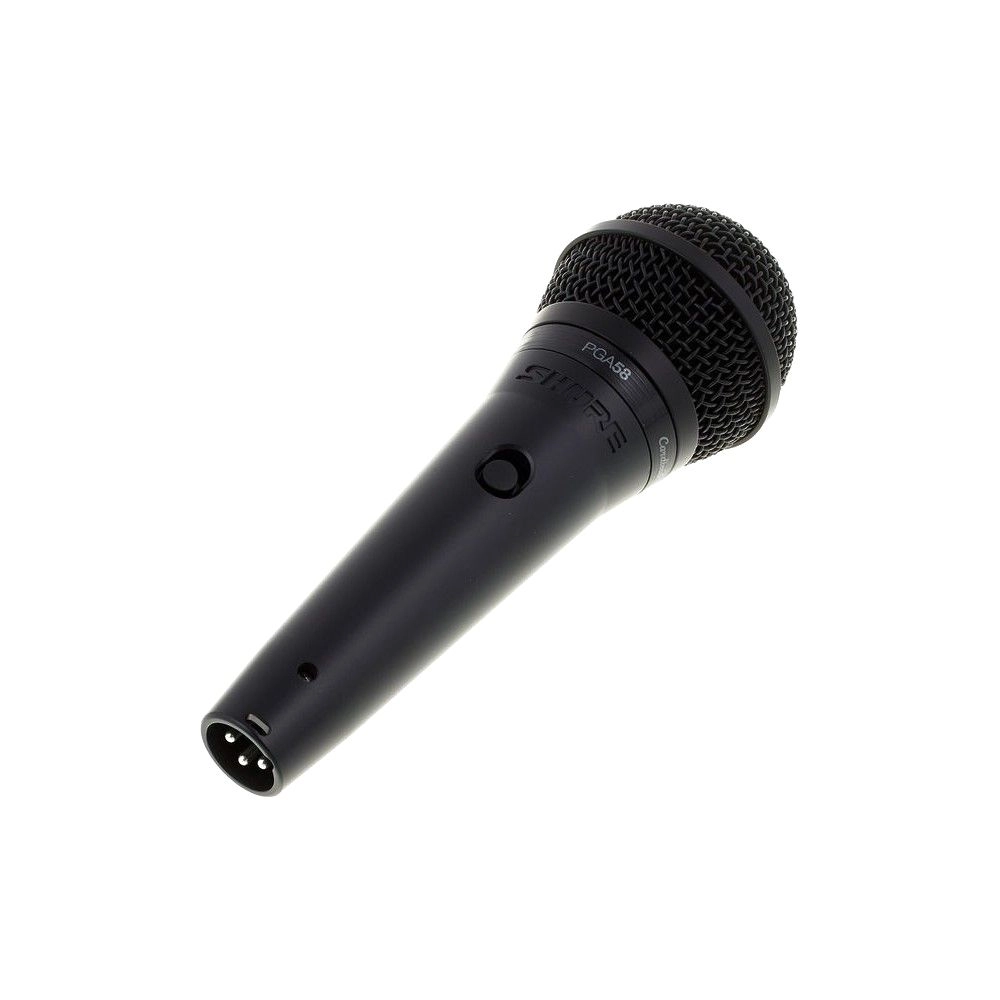
PDMIC78 is comparable to a genuine SM57, but with a slightly
brighter high end. Build quality from the outside is similar, but
the the PDMIC78 is lighter (Due to the lack of an internal
transformer). As with Pyles other microphones, this is also not
balanced (not that most people will hear a difference), but that
can be fixed in just a couple of minutes. I would recommend this
mic to anyone on a budget, anyone starting out or even those who
just need some extra SM57 style mics around the studio.
Review: Decent SM57 clone, but beware the unbalanced output... -
I mostly record electric guitars via modelling plugins, primarily
Amplitube or Bias, but I wanted a decent mic for those rare
occasions when I might want to record my little Marshall. For all
I'd use it, it didn't make sense to splurge on an SM57, so this
seemed like a good alternative - and for the most part, it is. It
has quite a similar character to the 57, with the same brash
midrange, but perhaps a little more scratchy in the high end.
This is easily compensated for in EQ, though. My biggest caveat
is this: I'm not sure if it's stated anywhere in the literature,
but this mic has an UNBALANCED output, rather than the balanced
output found in an SM57. This is perhaps why it's supplied with
an XLR>jack lead rather than XLR>XLR. For most applications, this
won't matter, but I found it caused problems with a dual mic
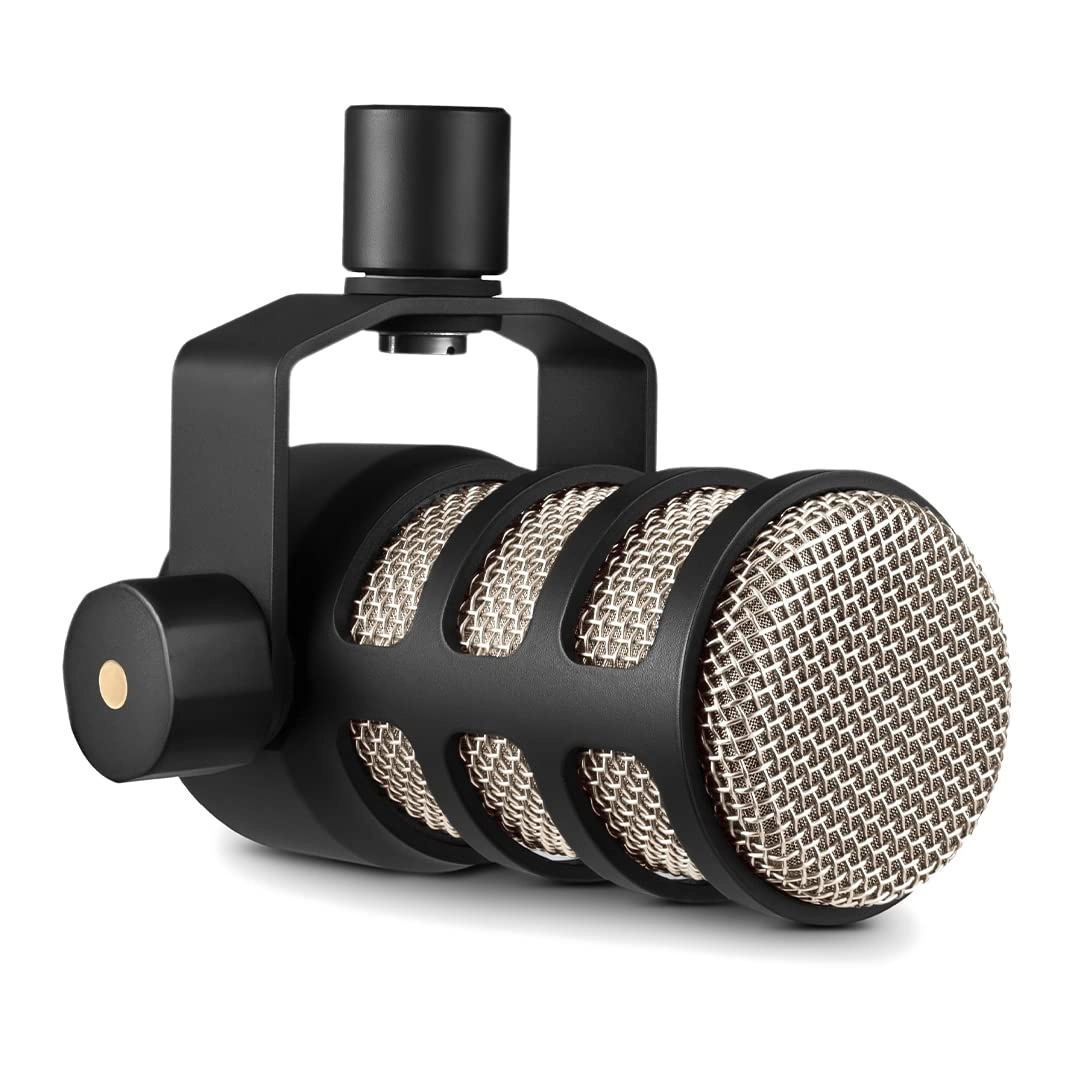
setup using a Rode NT1-A in the rear of the guitar cab, and the
Pyle with an XLR>XLR lead. My Focusrite Scarlett 2i2 interface,
like most similar devices, supplies phantom power across all
inputs. When engaged for the Rode, this caused a significant rise
in noise and loss of signal quality for the Pyle mic. It could
have been worse - phantom power can destroy an unbalanced mic.
The info could be a lot clearer on this point. It was easily
worked around, however, by simply using the XLR>jack lead. A
quick google found a simple mod to turn the Pyle's output to
balanced, but given the ease of just using the supplied lead,
I'll probably not bother with that. All in all, this is a good
value, and very usable, microphone.