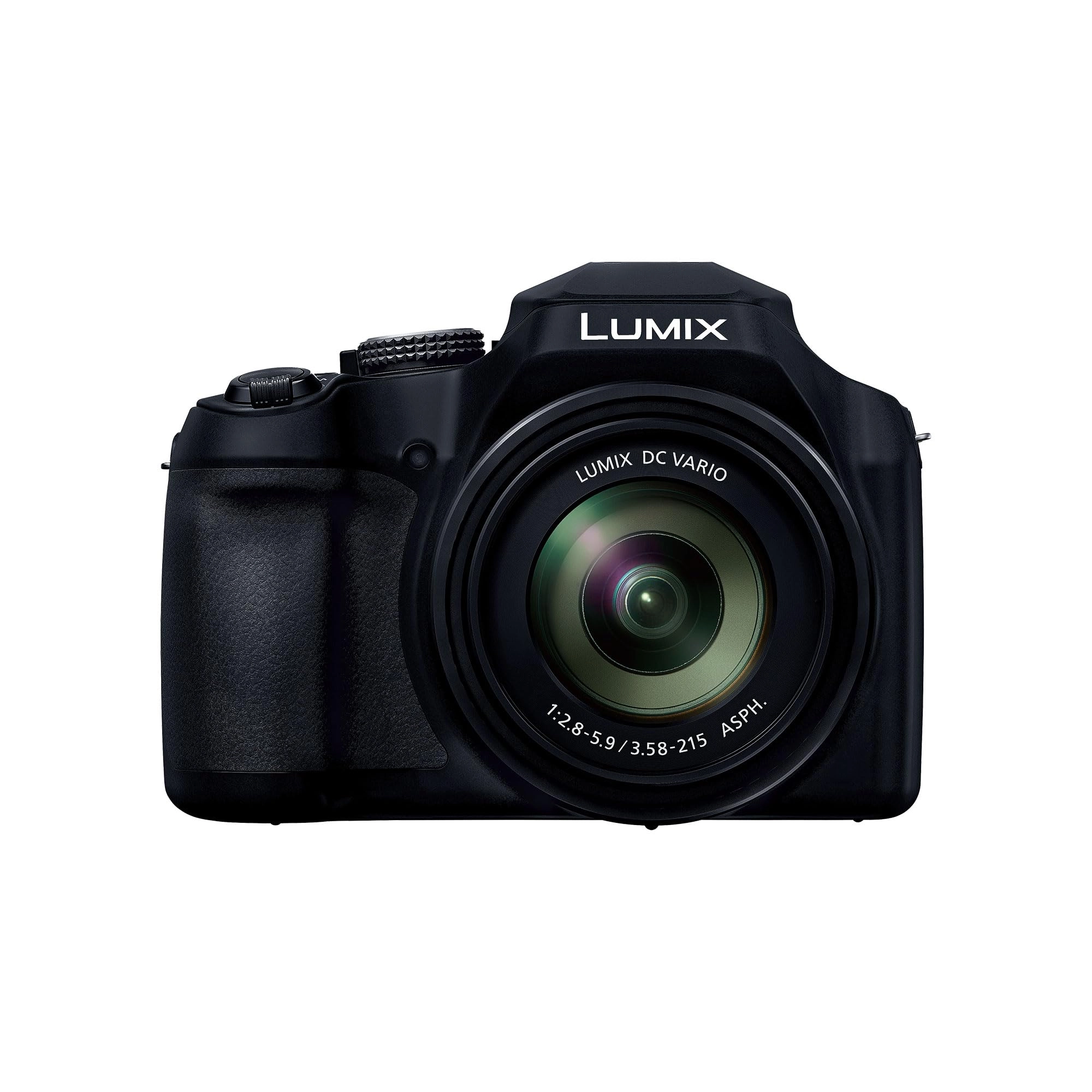
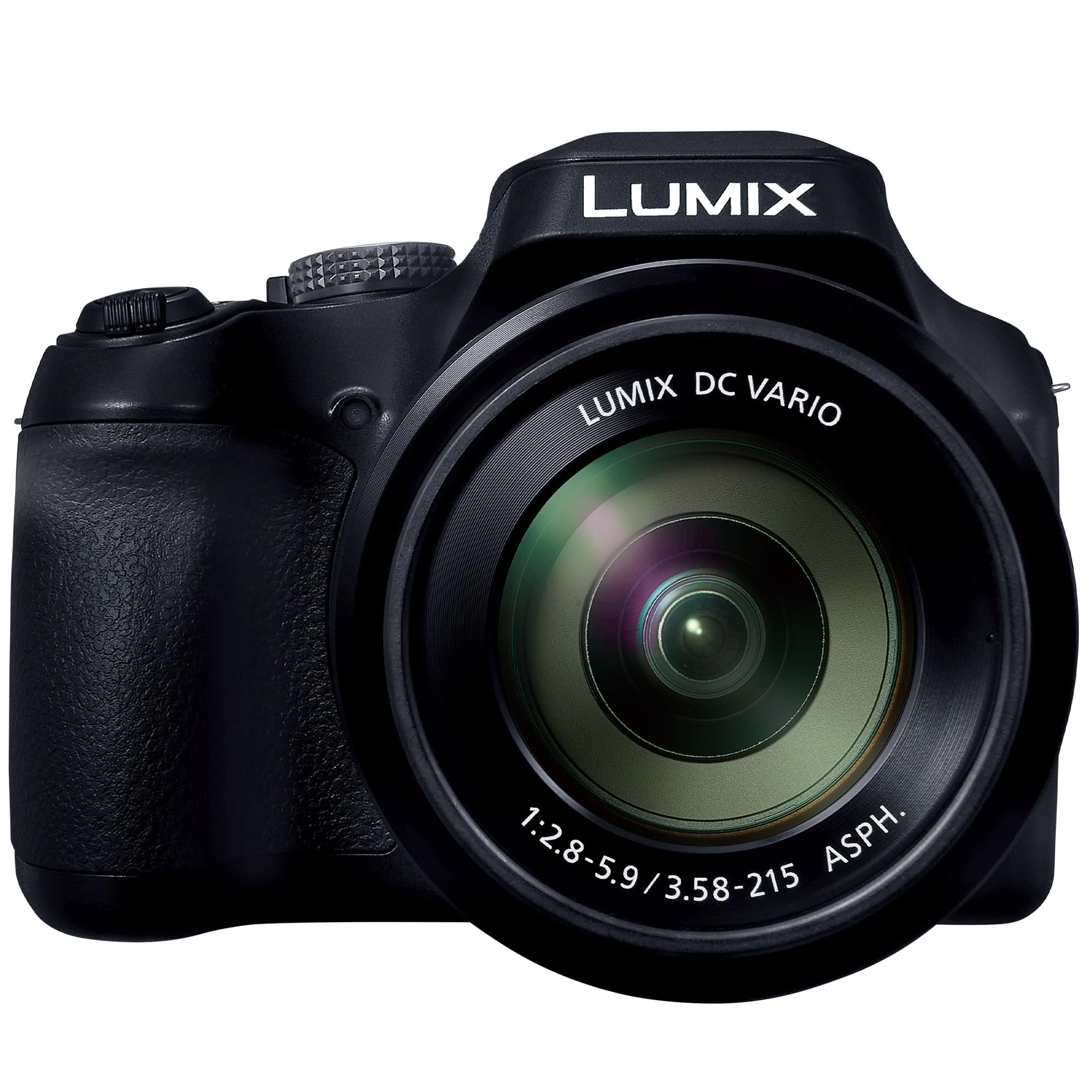
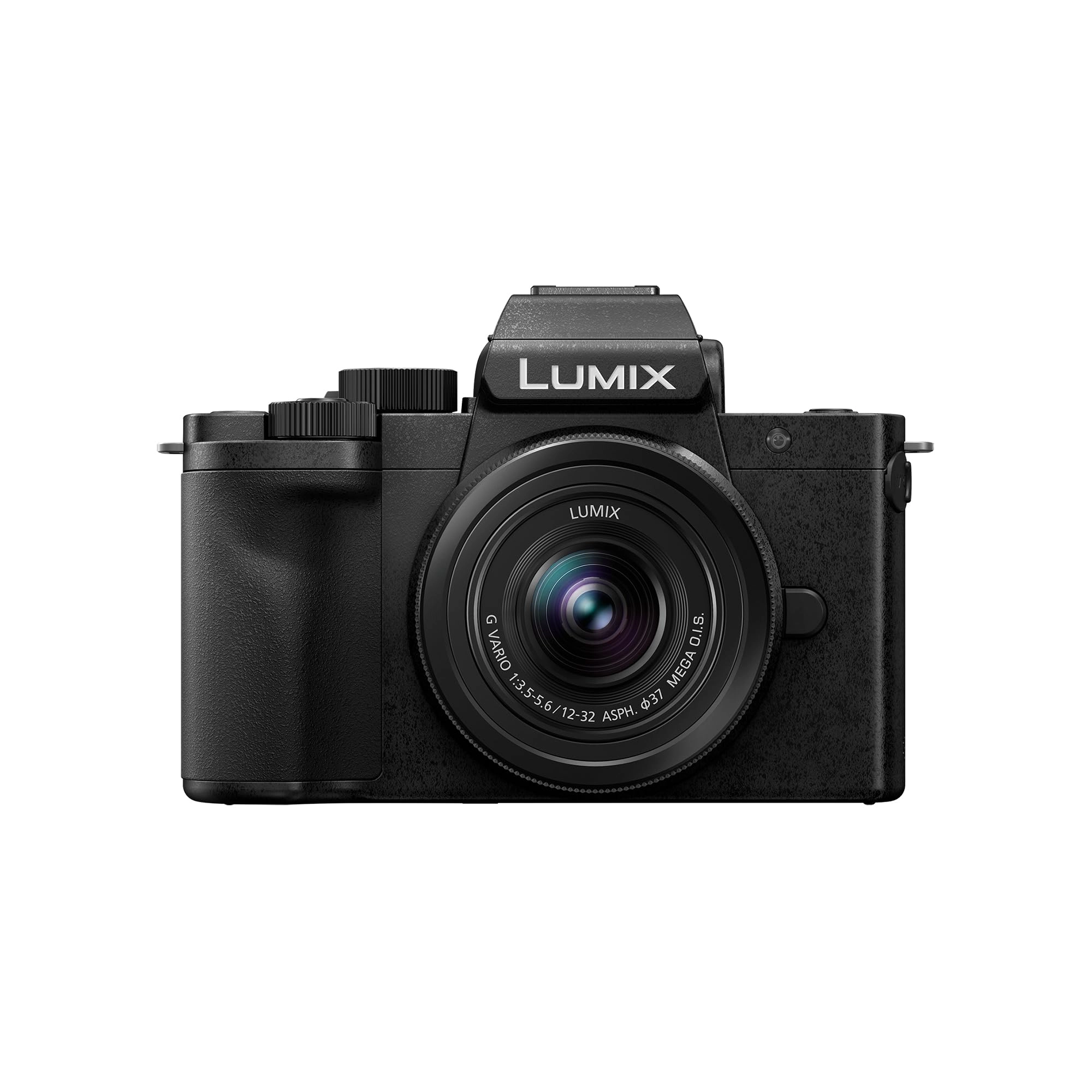
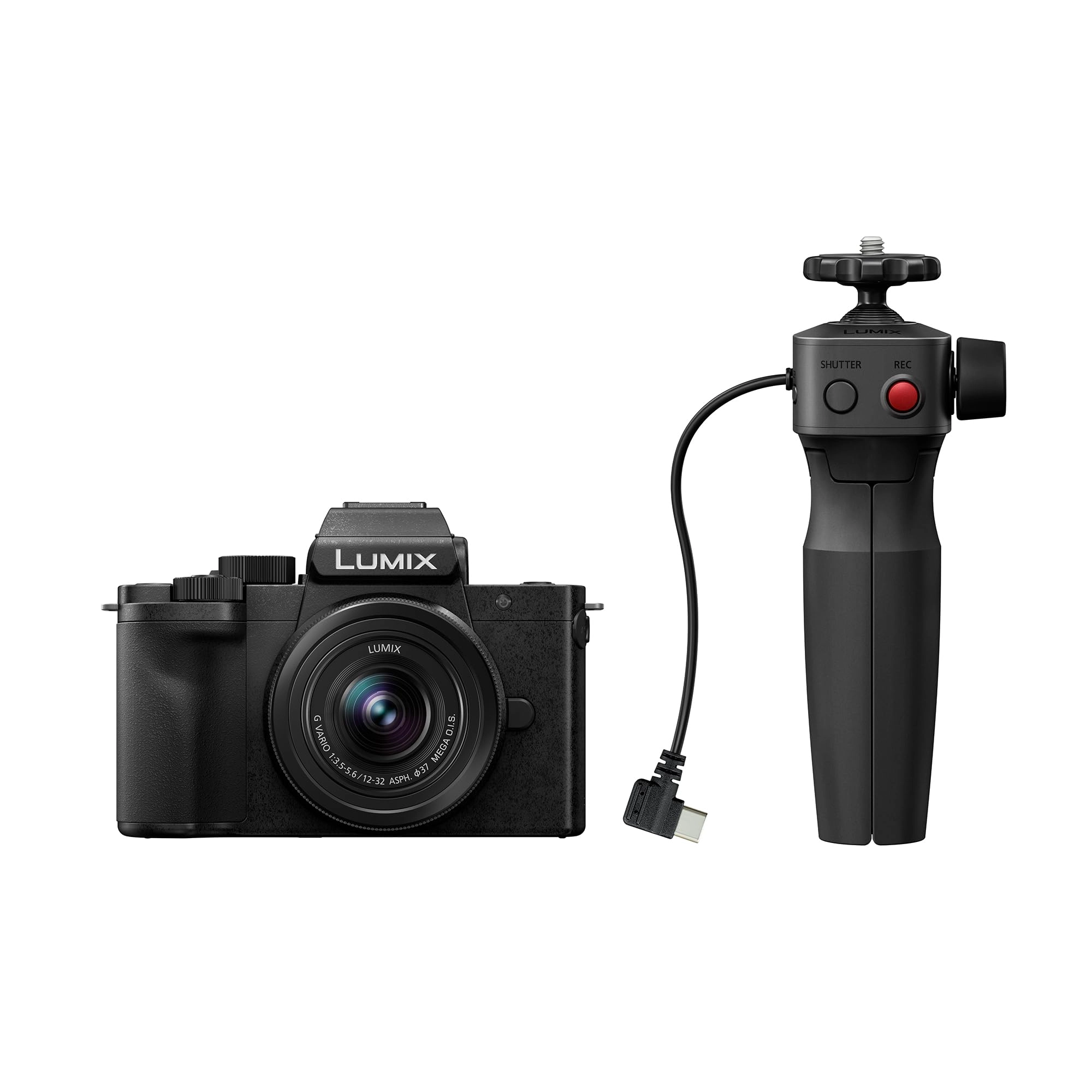
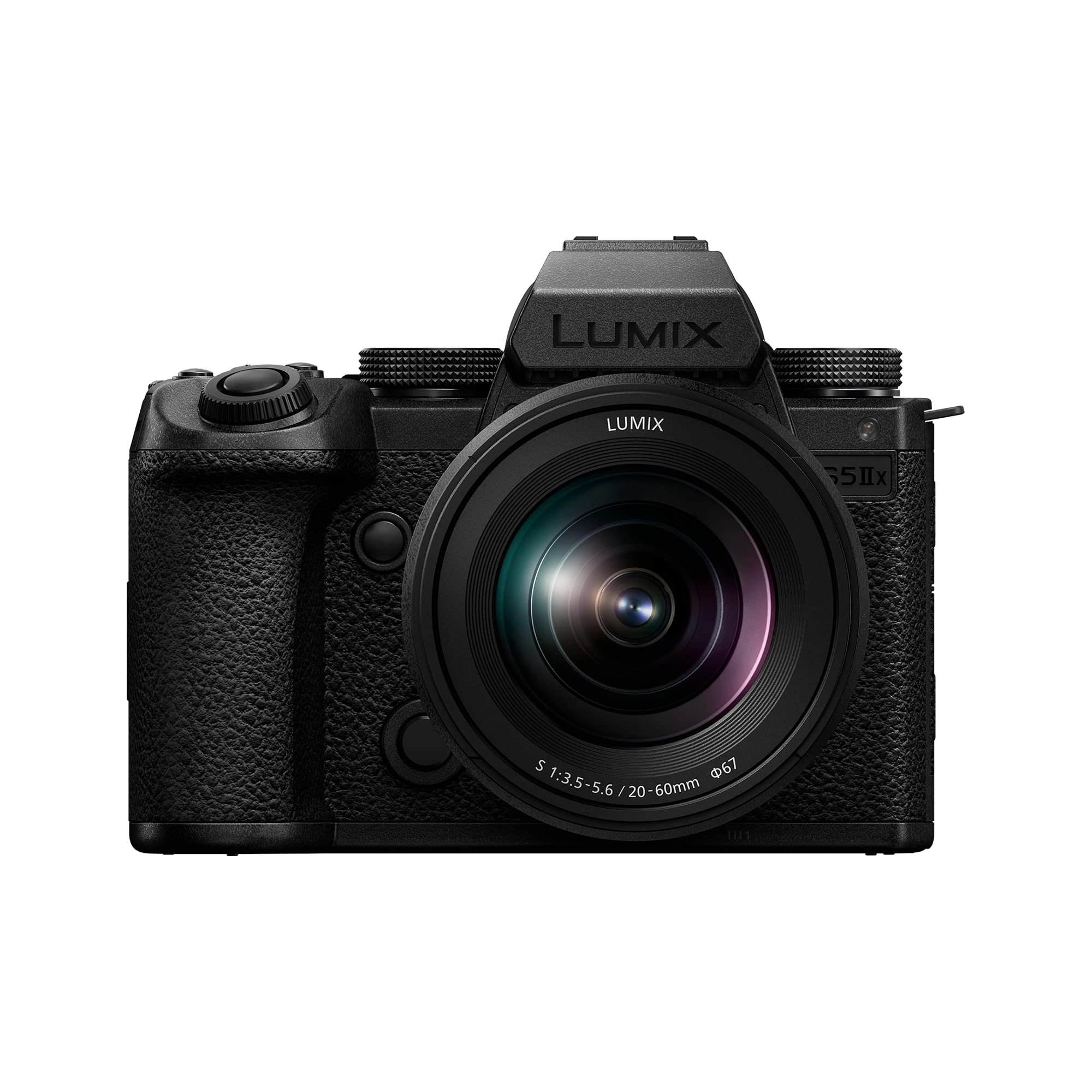
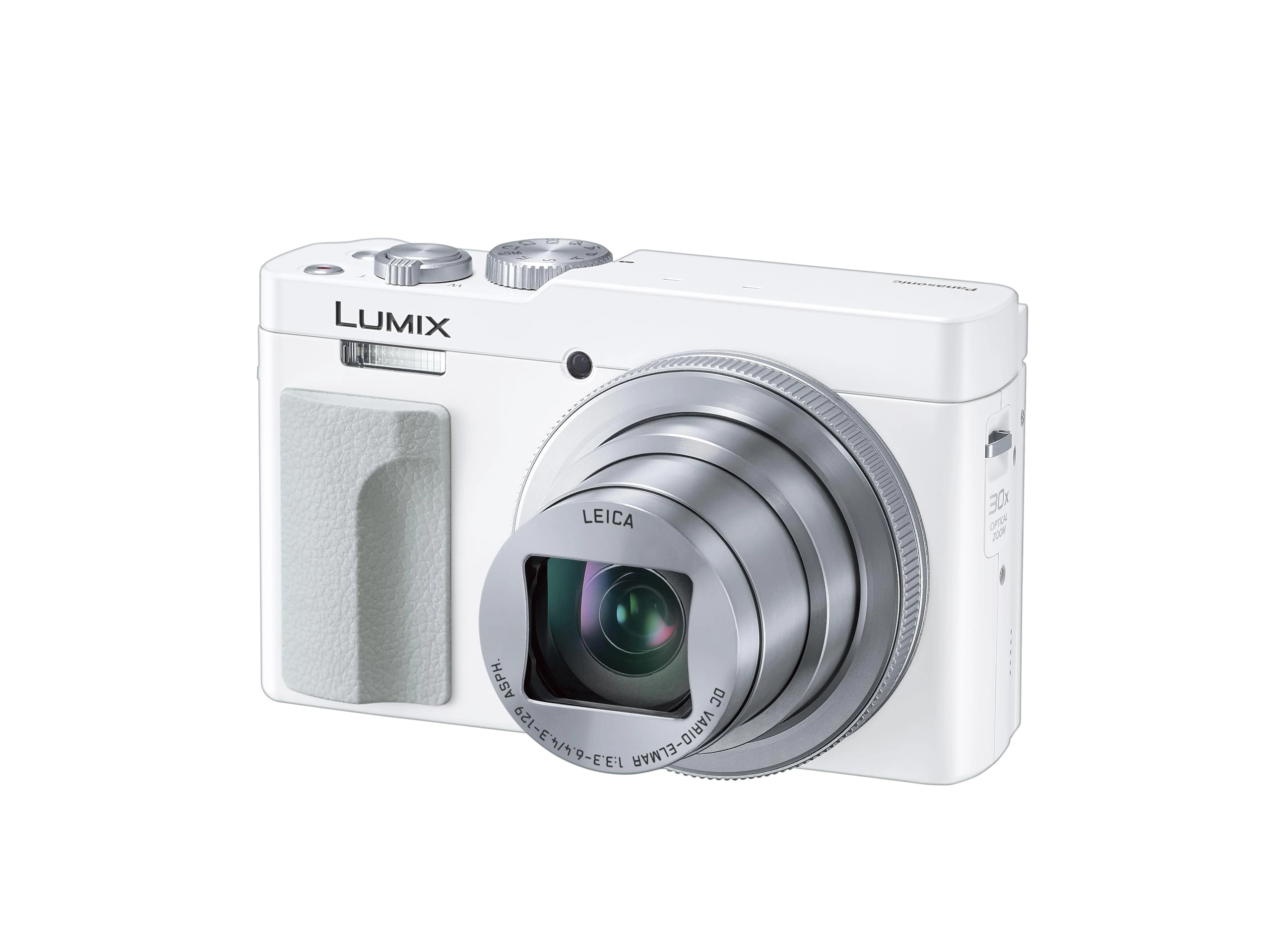
Perfect for travelers, the Panasonic Lumix Digital Camera DC
FZ80K brings the legendary optical performance of a super long
60X (20 1200mm) DC Vario lens with amazingly stable O.I.S.
(Optical Image Stabilizer) to a highly portable point and shoot
travel camera. With a powerful 18.1 megapixel MOS sensor, the
Lumix DC VARIO camera lens features a super bright F2.8 5.9
aperture range that is optically stabilized with Panasonic’s
Power O.I.S. technology to add striking depth of field dimension
to your photographs even in low light conditions. The high
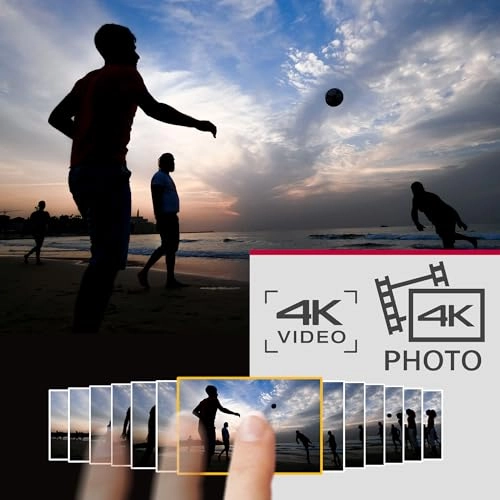
resolution power of 4K video technology captures up to 4X the
resolution (3840 x 2160) of standard Full HD, enabling you to
create printable photos with 4K photo's blistering 30 frames per
second burst feature. Post Focus and Focus Stacking provide for
additional creative freedom by allowing you to change depth of
field or focus points after you take the picture. The Lumix FZ80
perfectly fits in your hand with an ergonomic grip while its rear
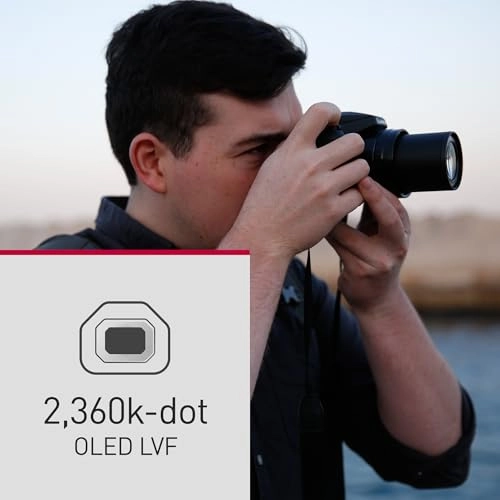
touch enabled 3 inch LCD display and high resolution 1,170K dot
viewfinder remain clear even in bright sunlight. Convenient
travel ready technologies like USB charging and Wi Fi
connectivity to your mobile device make the Lumix DC FZ80K a
digital camera that everyone can enjoy.
Review: Does everything I need it to do and then some! - My first
digital camera was a Sony Mavica that had 640x480 resolution and
saved photos on floppy disks. That will give you some indication
of how long I've been playing around with digital photography.
For the past several years I had a Canon EOS Rebel T3 with
multiple lenses. When I began to travel internationally for work,
I wanted something smaller that I could take with me without
having to carry both laptop and camera bags. I purchased a
Panasonic Lumix DMC-ZS20 and absolutely loved it. It did
everything I needed it to do in truly compact and low-stress
"point and shoot." Recently, I've been debating whether to
upgrade my Canon and investing in additional lenses or purchasing
something new. After much research and soul-searching I opted for
what many are calling a "bridge" camera. Although it felt a bit
like a step down from a DSLR, I had to recognize that I simply
don't shoot the same way that I used to. I no longer photograph
weddings or senior portraits and really just needed a good,
reliable camera that was compact enough that I would be more
likely to take it with me when traveling. More often than not, I
find myself using my iPhone because I didn't want to have to haul
my camera bag around. There were three main reasons why I chose
the FZ80 model. 1. Ease-of-use. I already knew from my previous
experience with my point and shoot Lumix that this would be
fairly easy to use. 2. Affordability. I couldn't justify the
expense of the FZ2500, but felt the features and functions of the
FZ80 would meet my needs. 3. Leica lens. Perhaps this is a hold
over from my film shooting days, but Leica lenses have a
reputation of being extremely high quality. If I was going to be
giving up lens interchangeability, I wanted crisp, beautiful
photos. I've only had this camera for a week and haven't had much
of an opportunity to give it a good trial run, but so far, it's
proven extremely easy to use and has resulted in some decent back
yard photos. I only gave it 4 stars though due to the low F-stop
range. I know it has a post-image editing tool to customize depth
of field, but that seems like too much hassle right now for
something that is a step above point and shoot. I haven't figured
out the WiFi link, yet, but am looking forward to playing with
that. I'm also looking forward to trying out the video function.
The photos below show the "pink" moon on April 10th, a series of
shots at different zoom lengths outside of my front door, and
some flowers where I played with the various shooting modes.
All-in-all, I'm very happy with this purchase. And the best part
is that I was able to offset the cost a bit by selling my Canon
EOS on eBay.
Review: It beats my old Nikon by far at everything - I've only
had the camera for three days. I have to admit that the selection
and menu choices were overwhelming at first, even with some
familiarity with cameras. Panasonic has some features unique to
its brand and learning the terminology took some time. Rather
than read the online manuals, I watched some of the tutorials
available on You-Tube. I found 16 dedicated videos by Graham
Houghton on the use of the camera. I'm about a quarter of the way
through. The claims that the camera doesn't perform in various
conditions just don't seem to hold any weight when one learns how
to operate the camera properly, especially the claim that it
performs poorly in low light. I took the camera to the hockey
rink and shot in the lighting available in sports mode and was
able to capture some great shots. I played around operating the
camera in different modes outdoors and shot a hummingbird in
flight at 1/8000 of a second, freezing the bird's wings in
flight. Admittedly, the lighting was not in my favor from my
vantage point but it was just a camera test, not an attempt at a
prize winning photo. I took numerous photos of the same dahlias
in different modes and ended up with a series of totally
different interpretations of the same image. I also operated the
camera at low light, using the setting recommended in the videos.
The results were outstanding. I've yet to explore many of the
camera's other features such as post focusing and operating the
camera remotely with my android cell phone. I shot over 330
images at the hockey game and still had half battery life left
according to the display. I have not tried the camera in movie
mode since I seldom shoot video. From what I've experienced so
far, I believe my photos will well exceed my current exposures.
I've barely learned the basics of the camera's capabilities. With
the huge amount of creative control, this is not a camera you can
set down and then pick up a month later and remember how to
operate all of its features. And even then, a quick review of the
camera's manuals or the videos may be necessary if all of the
camera's potential is to be used. While some camera fanatics may
complain about the camera's sensor size or some indistinguishable
lens aberration due to the camera's long lens, let's face it,
most of us will never have our photos printed as wallpaper
murals. We view our creations on our cell phones, tablets,
laptops, and TVs. The images created by this camera can be as
stunning as any full SLR with thousand dollar lenses and are
limited only by the shooters capabilities, not by the camera's
limitations. A nice feature that many bridge cameras do not have
is a threaded front on the lend for filters. The shooter can add
a polarizing filter or ND filters to extend shutter times to take
specialty photos. If I had one negative thing to say, I would
have appreciated a tilt screen since, when traveling and standing
in crowds, it is sometimes helpful to hold the camera over
everyone's heads and shoot down at a high angle, using the tilt
screen to focus. I can live without that one feature given all of
the other features of this incredible camera.