
Neewer LM3 3.5mm-Mini-Jack Microphone
Best offer
AED
11100
AED
15600
-28%
Key Features
- Power source: Corded Electric
- Product colour: Black
- Connectivity technology: 3.5 mm Audio
- Housing material: Metal
- Weight: 100.07382g
- Country of origin: China
- UPC: 191073096226
Specifications
Features
Country of origin
China
Connectivity technology
3.5 mm Audio
Product colour
Black
Weight & dimensions
Weight
100.07 g
Power
Power source
Corded Electric
Other features
UPC
191073096226
Design
Housing material
Metal
Product Details
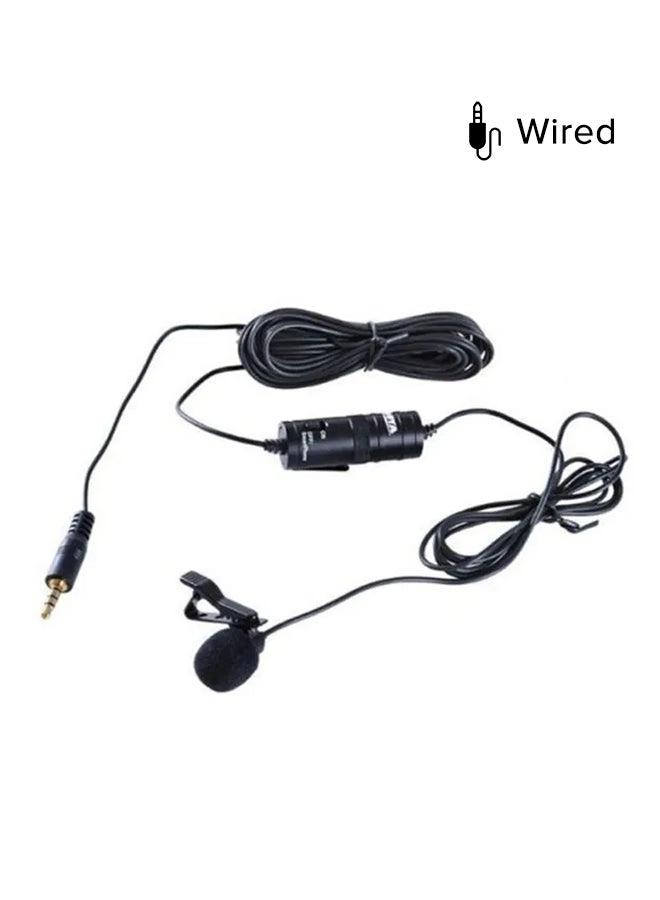
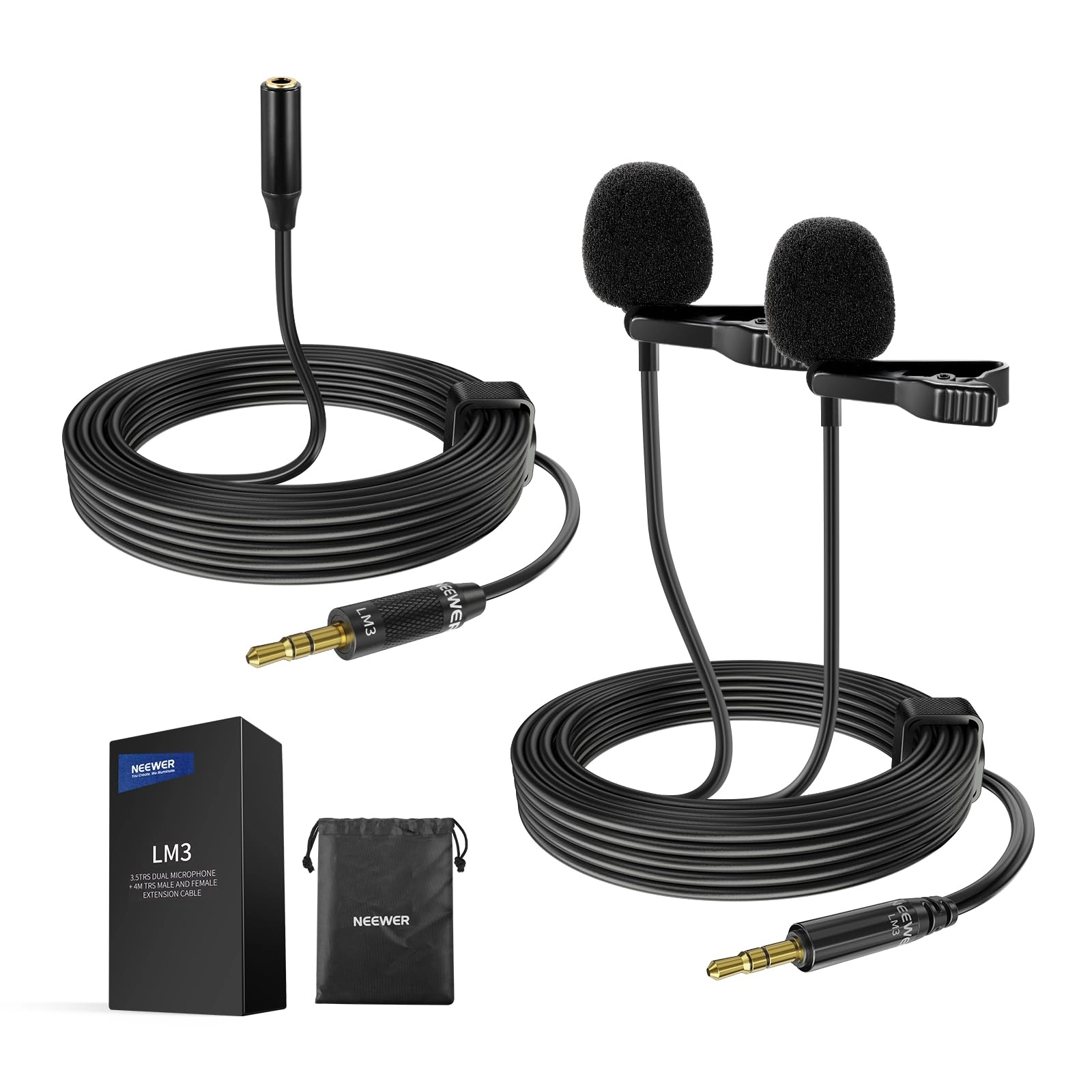
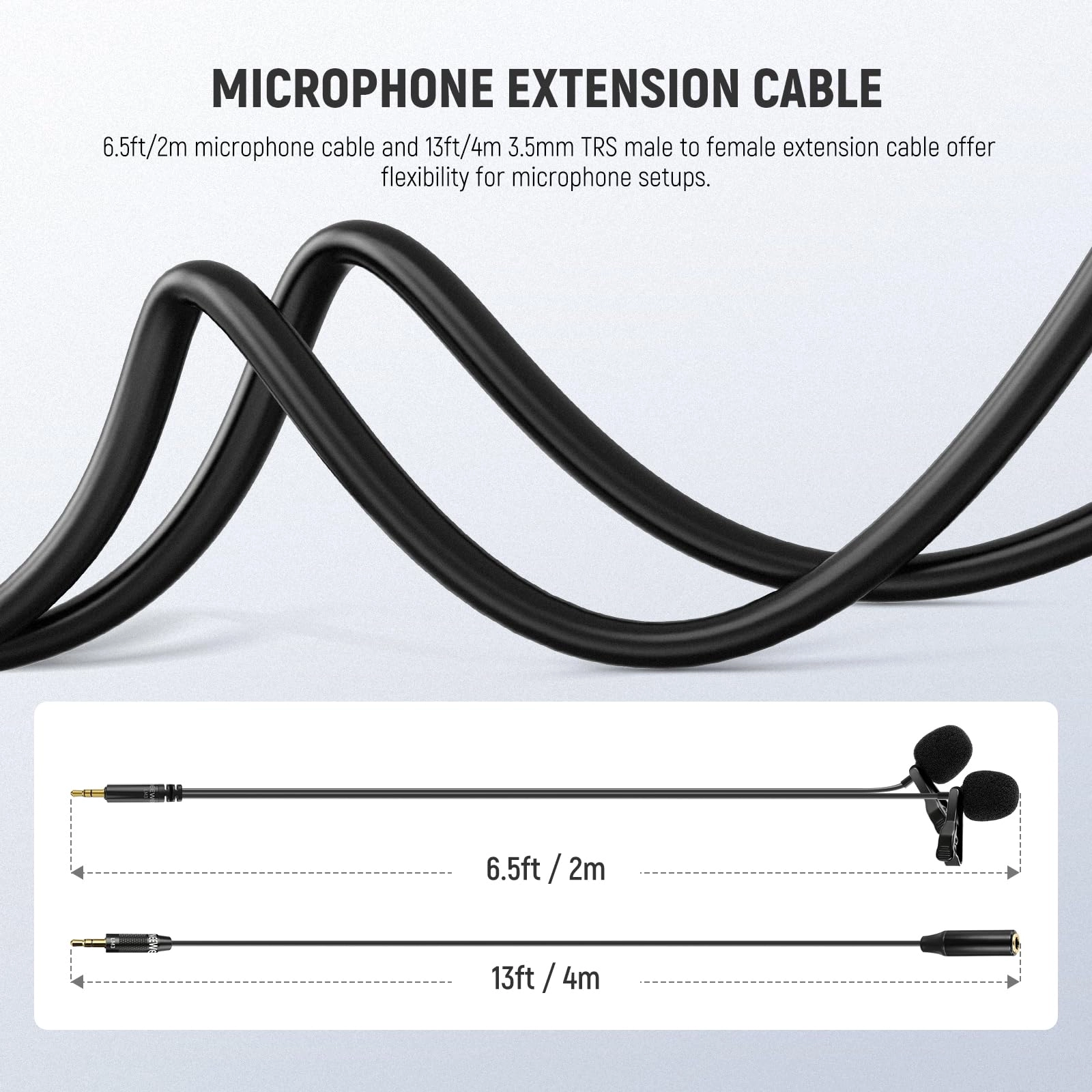
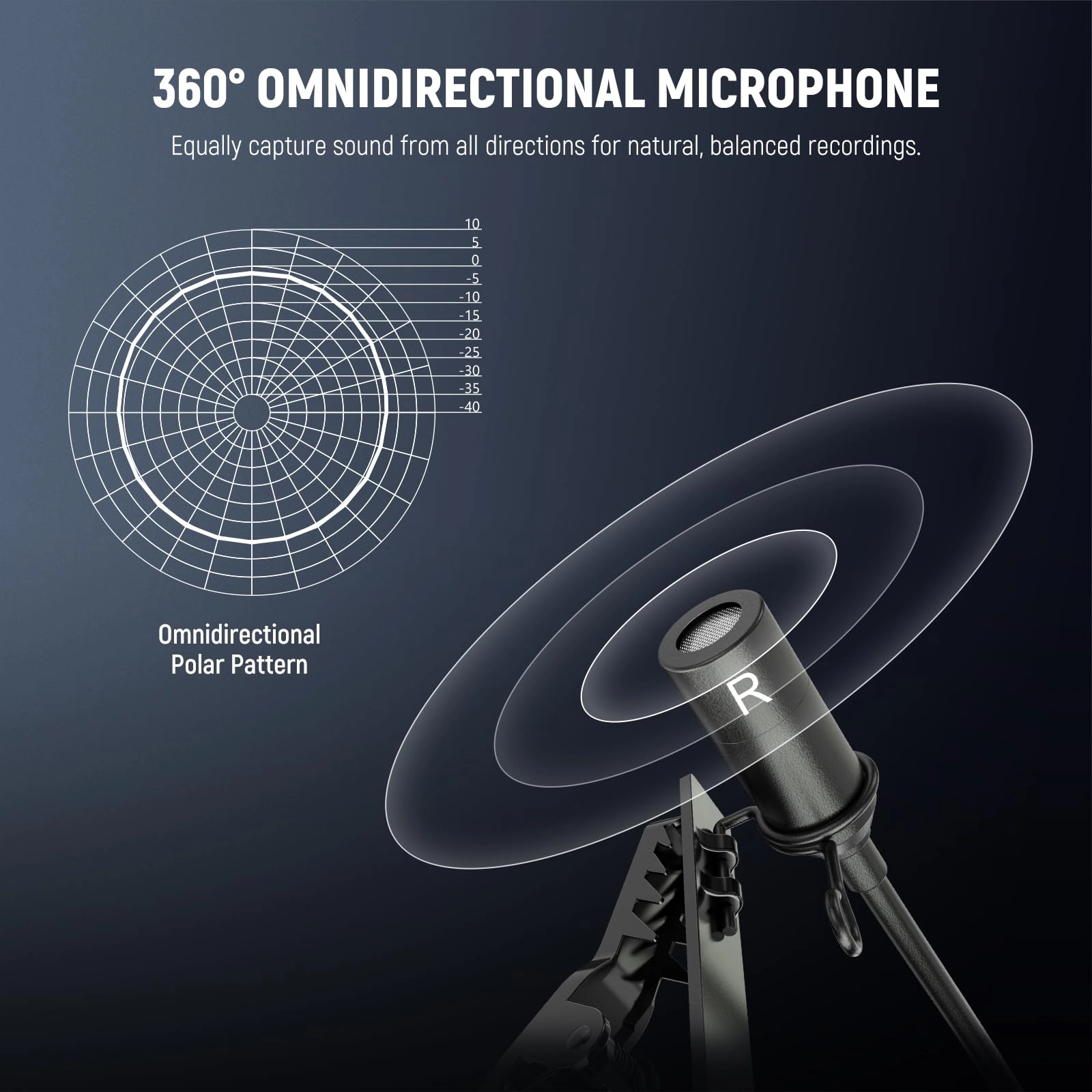
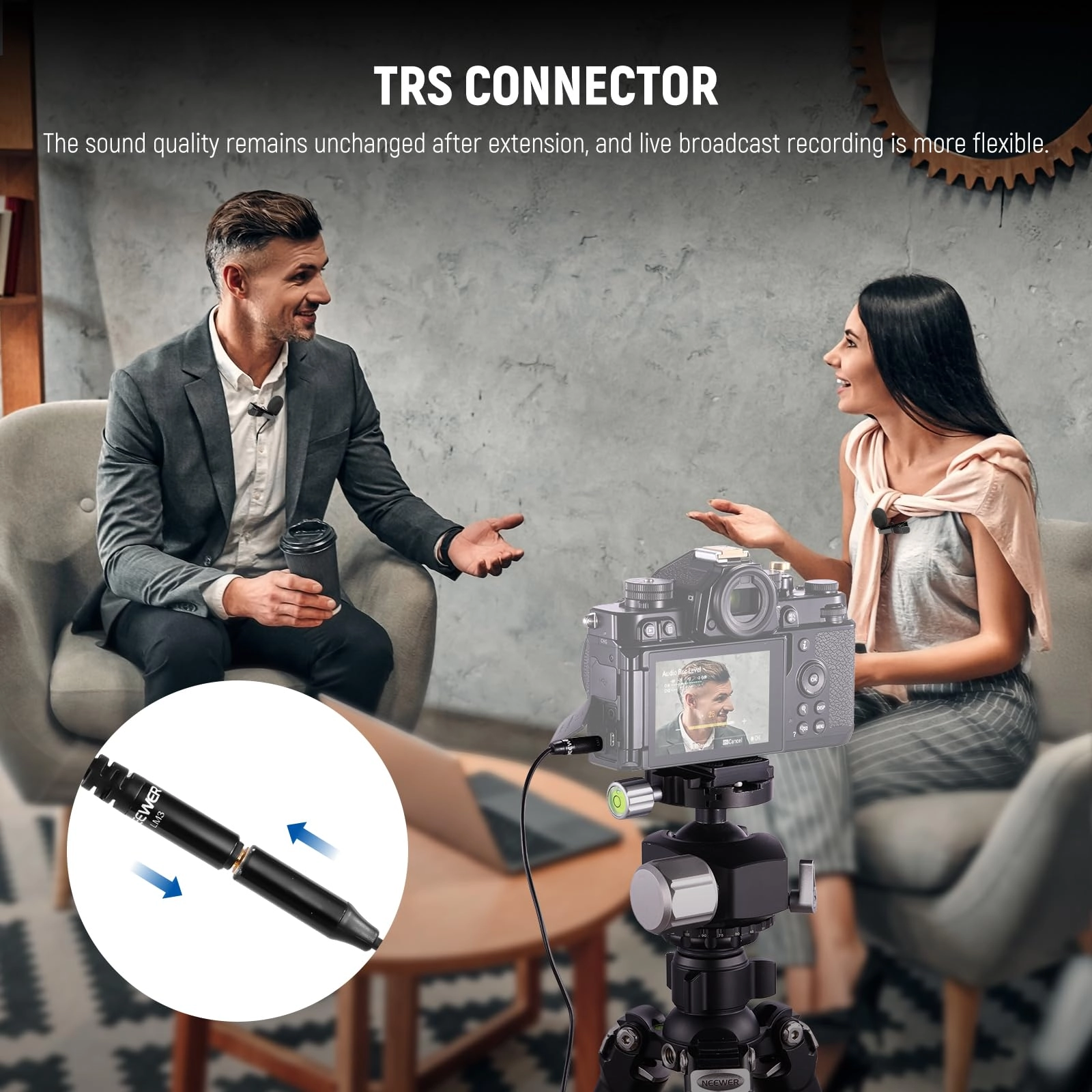
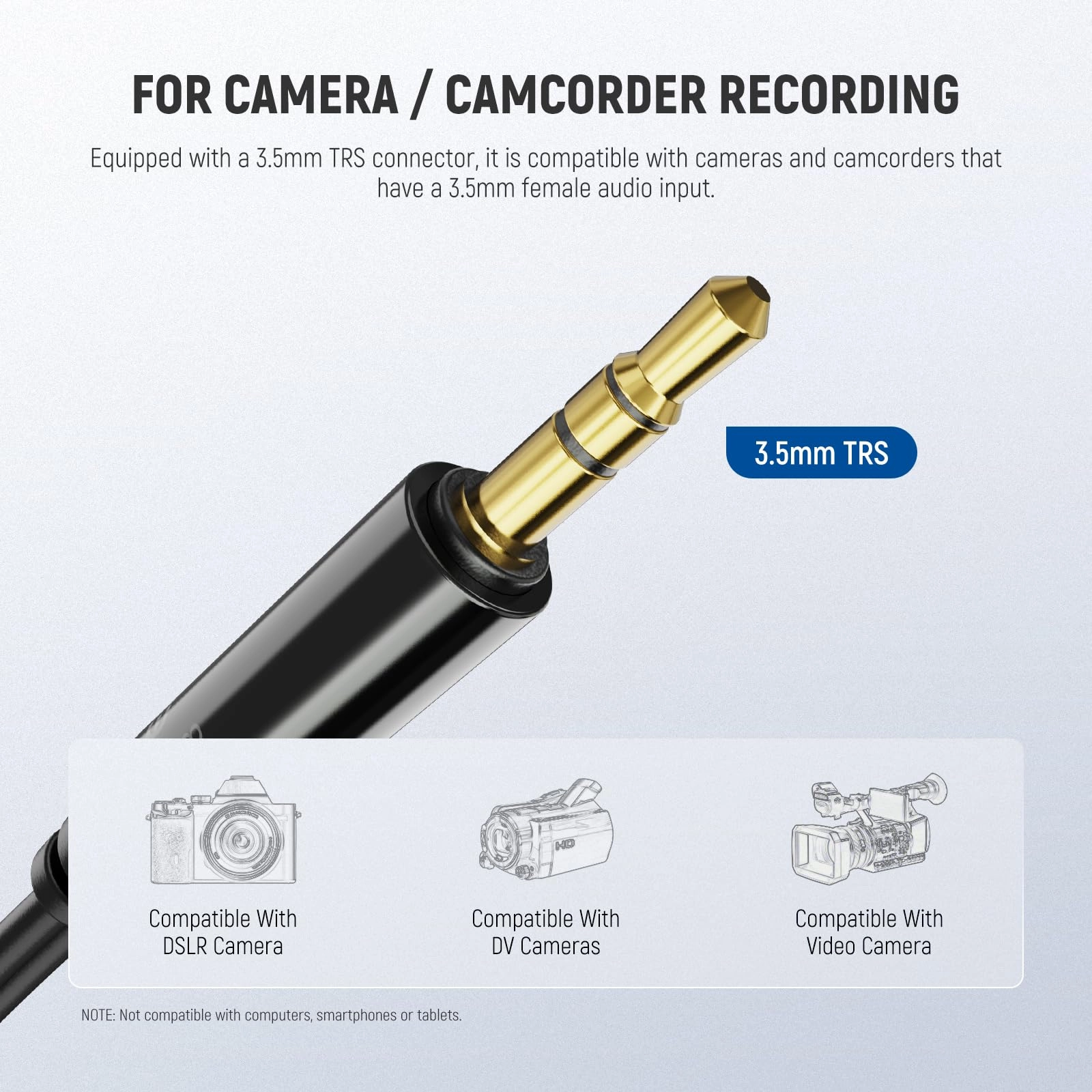
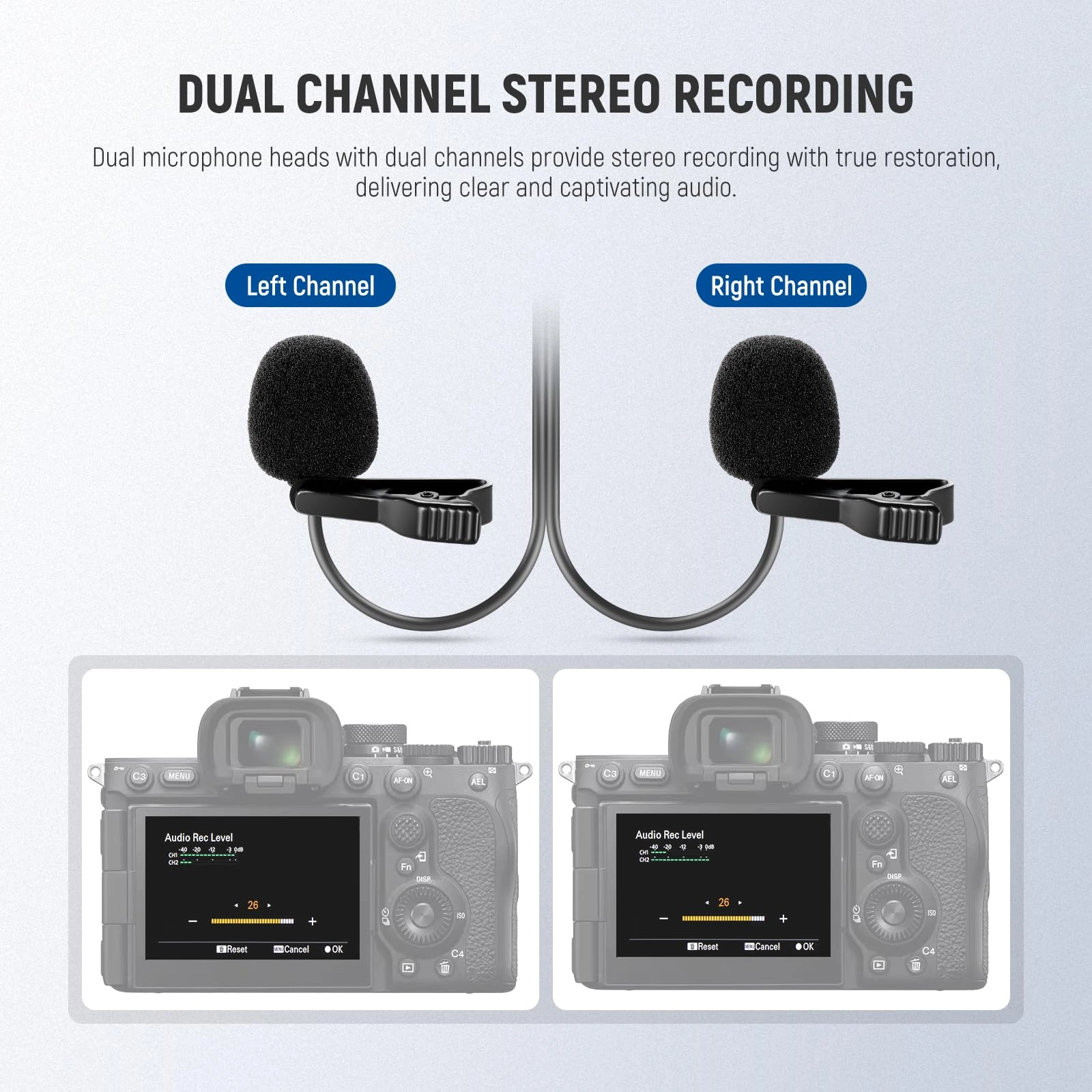
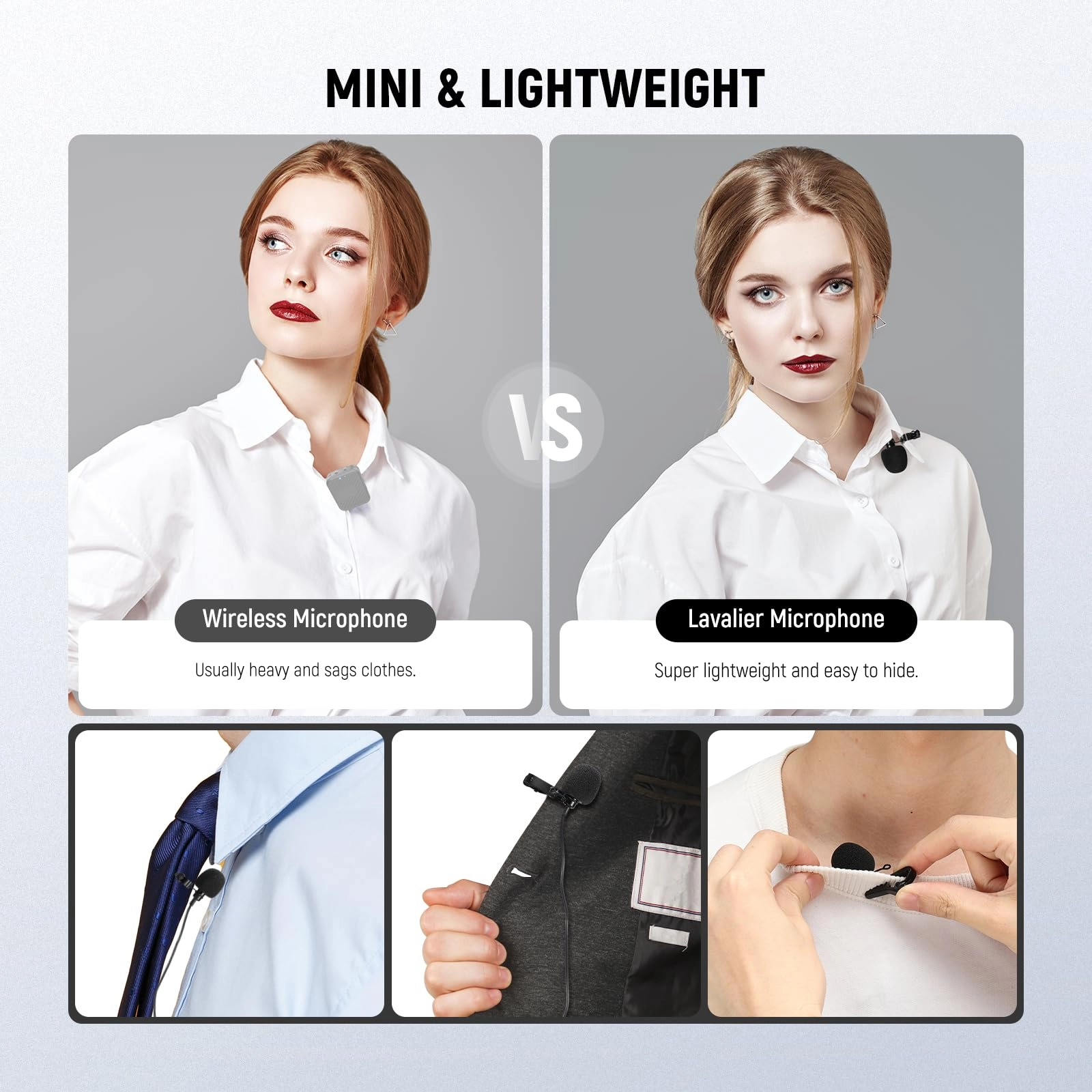
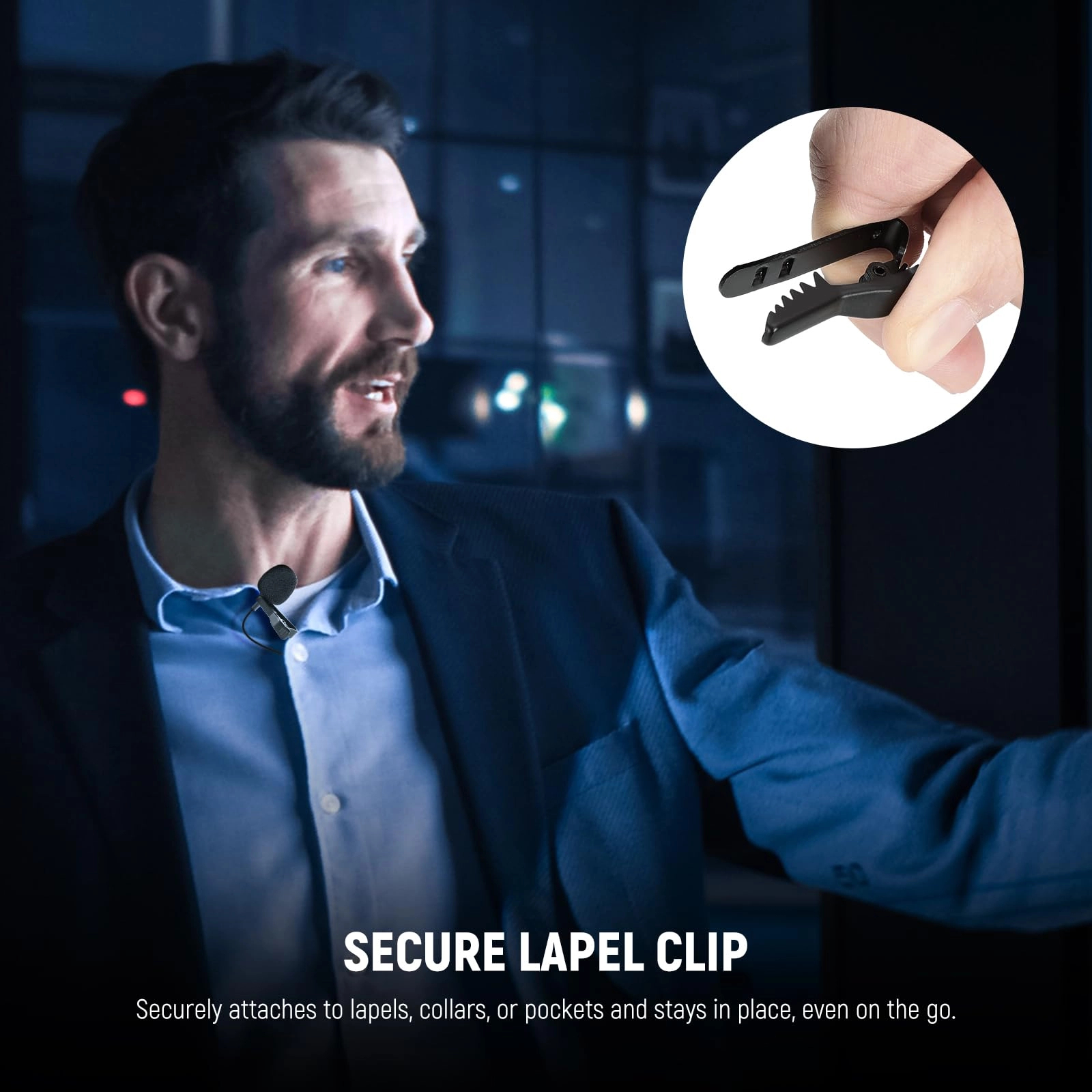
Buy NEEWER 2m Wired Dual Lavalier Microphones with 4m Extension
Cable, Mini Clip On Omnidirectional Condenser Lapel Lav Mic 3.5mm
TRS for DSLR Mirrorless Camera Camcorder Interview Vlog, LM3:
Wireless Lavalier Microphones - desertcart.com ✓ FREE DELIVERY
possible on eligible purchases
Review: Excellent lavalier mic once you know it needs to be
"powered" - For a concise review, skip to the "Final Comments"
I've been a producer and audio engineer for over 50 years. I have
a vast amount of experience plugging mics into things that have
mic inputs. I understand XLR connectors, how they are wired and
what phantom power means. I understand how dynamic and some
condenser mics work when they are inserted into 1/4" (or 3.5mm)
mic jacks. In all my experience in recording studio environments,
I have never encountered Lavalier mics, before. I also teach
neuroscience at a local university. Recently, I decided to offer
one of my courses in on-line format. For each chapter of the
textbook, I provide a PowerPoint presentation with a voice-over
of me explaining the slides. I thought this was going to be easy.
My first inclination was to put on my high-end Sennheiser headset
and just do it. WRONG! When I review my typical voice-over it was
riddled by clipping artifacts that I would never have predicted.
The human voice is capable of a remarkable dynamic range, and
level setting to capture the most low amplitude signals provides
way too much gain such that every exclamation causes the inputs
to clip. I have an arsenal of audio processors available to me
and I was able to tame the dynamics using a limiter and
compressor in series. This worked very well and produced a very
nice quality recording. However, to do this I was using over $900
in audio gear (including the headset) and I was confined to my
desk's chair while I made the recordings. My brain expects the
mobility I have while lecturing in the classroom, and doesn't
react very well to me looking at PowerPoint slides on my monitor
while I try to give a lecture that anybody might be interested in
hearing. About a week into hearing me complaining about how many
re-dos I was needing to achieve acceptable results, my wife
suggested that I should try "one of those little microphone
thingies clipped to my shirt like the people on TV use". I knew
what Lavalier mics were so I ordered these from desertcart to
give it a shot. According to its instruction manual, my recently
acquired Zoom H4 Essential portable recorder had a mic input jack
that would work with a lav mic. Additionally, the Zoom offers a
32-bit Float recording format, giving it a dynamic range that
should be impervious to the dynamic range of my lecturing voice.
Since I could put it in my pocket, I would be free to prance
around the living room while playing my PowerPoint slices on our
55" TV. This seemed like the perfect plan. When these Lav mics
arrived I hurried to plug them into the Zoom and try them out
with a mock lecture simulation. I got nothing with either mic. I
tried many things, including using both mics and plugging them
into 3.5mm to XLR adapters and plugging that assembly into the
two XLR inputs on the Zoom. Still nothing. Then I went into the
Zoom manual to find out if I was missing something, as a mic is a
pretty simple device and it is very improbable that two out of
two would produce no signal at all. In looking at the Zoom
section input configuration, I noticed an option for the aux/mic
input called "Plugin Power". The manual didn't explain the
meaning of the term or what it was used for so I Googled it.
Apparently, some small condenser mics, including many Lavalier
mics require a small bias current (much like phantom power for a
normal XLR condenser) to operate. After enabling it on the Zoom
mic input both purchased mics operated well. After recording the
audio for the 17 slides covering the first chapter, I brought the
micro-SD into my studio and transferred the audio to my DAW.
Listening to the RAW 32-bit float audio, I was astounded at the
clarity with which my voice was reproduced. This was better than
than I ever achieved using the $300 Sennheiser headset. Also, the
audio was completely free of the compression artifacts that
weren't too disturbing but noticeable for me. I was even
impressed with the noise floor under the voice recording (it was
almost unnoticeable) Even after converting the 32-bit audio to a
56kbps 16-bit stereo stream (to get it compliant with the
requirements of PowerPoint), the quality still exceeded my
expectations. Final Comments: These Lavalier mics perform
incredibly well for the purpose of recording spoken voice. Their
frequency response and usable dynamic range are superb for that
purpose. I suspect that the negative comments here, especially
about those involving "mot working" were probably due to the user
not using a recording device that was supplying the required
"Plugin Power" (which I have been assured by people who know
about that sort of thing IS supplied my almost any device
expecting a Lavalier mic to be used with it). Although I can't
compare these mics to any other Lavaliers , they perform at least
as well as the microphone on a $300 Sennheiser headset. If you
want to use a Lavalier mic for the typical kinds of things
Lavalier mics are used for, I can't imagine finding anything
close to the price/performance ratio these offer!
Review: Finally, Microphones That Work With My Phone! - After
three long weeks of testing microphones to work with my Pixel 8a
phone and many failed attempts, even the wireless microphones
failed to preform and work as well as these! The audio is crisp,
clear and loud, I no longer sound like I'm talking under water in
my recordings. I highly recommend these mics, the cords are long
which gives me plenty of hands free movement without having to
worry about jerking the phone around and also makes it easier to
hide the mic under clothes without worry. Simple and easy use,
just plug and play. Great product, I'm so happy I chose to
purchase them. The order and shipping was filled quickly also.
Reviews
Loading...
Loading...
Loading...
Loading...
Loading...
Loading...
Loading...
Loading...
Loading...
Loading...
Loading...
Loading...
Loading...
Loading...
Loading...
Loading...
Loading...
Loading...
Loading...
Loading...
Loading...
Loading...
Loading...
Loading...
Loading...
Loading...
Loading...
Loading...
Loading...
Loading...
Loading...
Loading...
Loading...
Loading...
Loading...
Loading...
Loading...
Loading...
Loading...
Loading...
Loading...
Loading...
Loading...
Loading...
Loading...
Loading...
Loading...
Loading...
Loading...
Loading...
Loading...
Loading...
Loading...
Loading...
Loading...
Loading...
Loading...
Loading...
Loading...
Loading...
Loading...
Loading...
Loading...
Join our newsletter
Be the first to know about new arrivals, sales, and exclusive picks
Sign in to unlock newsletter access and stay in the loop